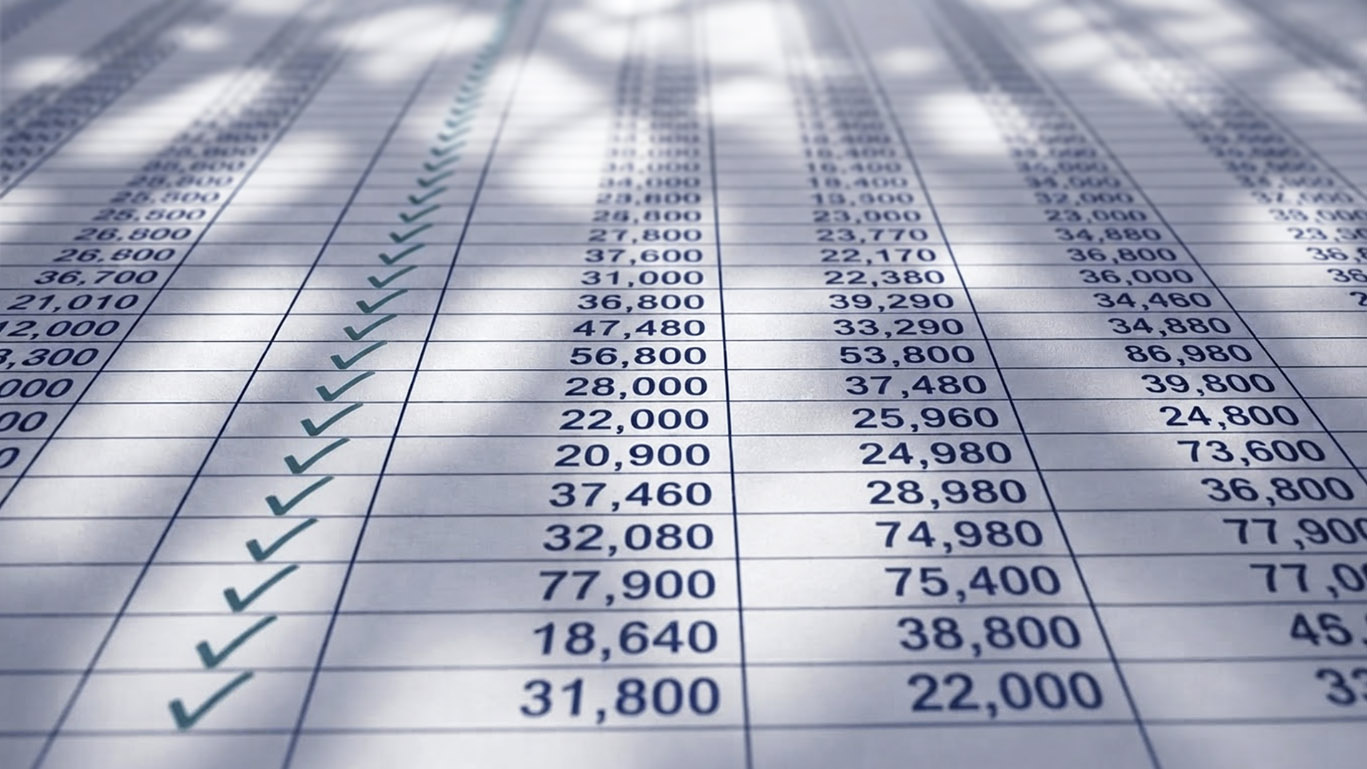
You know what a wrong number looks like. A margin that moved more than the business did. A total that’s off by exactly one row. A figure that’s suspiciously round, or the wrong size for the line it sits on.
Years of this work give you a feel for it. You scan a page, something sits wrong, and you go looking. It’s one of the most useful things a finance person has, and it catches a lot.
Most of what it catches, though, are errors that look like errors.
What happens when the error doesn’t look like one?
A made-up sentence tends to give itself away. It cites a report that doesn’t exist, or quotes someone who never said it. You can go and check.
A made-up number in a spreadsheet behaves differently. It sits in a cell formatted like its neighbors. It’s scaled like the numbers around it. It reconciles. When an AI tool can’t get something to tie, one way it can get there is to type in the number that makes it tie: a hardcoded plug that does exactly what you asked for.
That number isn’t almost right by accident. It’s almost right because fitting in was the whole job.
In Stack Overflow’s 2025 survey of about 49,000 developers, 66% named “almost right, but not quite” as their top frustration with AI tools, and while that’s developers rather than finance, almost right is exactly what a number that ties and is still wrong looks like.
What does that look like in a workbook?
To make this more concrete, let’s walk through a constructed example. Though it’s not from a real workbook, it is the kind of thing that we (and you) have probably seen happen.
You ask an AI tool to roll the forecast forward a quarter and fix the balance sheet, which is out. It comes back balanced. In other current liabilities, there’s a new figure, 41,870, in the same format as the cells around it and about the size you’d expect for that line. It isn’t linked to anything. It’s there because the balance sheet needed 41,870 to balance.
Nothing about it trips the feel you’ve built. It’s not too big, not too round, not in an odd place. It may be the most reasonable-looking number on the sheet, because looking reasonable was the only thing it had to do.
So what is your eye actually checking?
Plausibility is the filter almost everyone uses, and it’s a good one. It’s also the one thing a made-up number passes.
That doesn’t make the check wrong. It means a clean pass may tell you less than it used to, and the number that most needs a second look can be the one that looks like it needs it least.
Which leaves a question we don’t think has a clean answer yet. If looking right isn’t evidence any more, what is? Is it whether a cell has something behind it? Whether you could say where the number came from if someone asked? Or something you’ve started doing that we haven’t thought of?
If you’re signing off on workbooks an AI tool helped build, every number in them can look right, and looking right is no longer a good sign that a number is right. We’ve been building toward that problem. It’s called Lecxe, and it’s in development with finance teams now. At lecxeai.com you can download it or talk to the team.
Frequently asked questions
Prove AI is building solutions to power more correct, explainable and auditable AI outcomes.
We’re always interested in learning about AI management challenges.
Get in Touch